Maha Sankalpa
Mahā saṃkalpaṃ - means great /ultimate resolution.
Everyone in the world should be good, and there should not be evil doers. If one questions whether it is this possible, the answer would be an ‘Yes’. Whenever we see evil in our nature or elsewhere, we should try to turn away from it. Also, we should try our best to change the bad or evil that we see around us into good. This practice should be done continuously without giving up. The best effort in this direction is doing Samdyhopāsana three times a day without fail. Each and everyone can do it. We should make a resolution ourself seeking world peace and universal welfare. This is the Great resolution we must undertake!
This creates goodwill amongst all. In turn it gives us, the doer, peace of mind. In a society where people have peace of mind, happiness and prosperity will prevail. Then such happy souls will be able to transcend their sorrows and try to make others free from sorrows.
Durjana: sajjano bhūyāt-sajjana: śāṃtimāpnuyāt|
śāṃto mucyeta baṃdhebhya:- muktaścānyānvimocayet ॥
दुर्जनः सज्जनो भूयात्-सज्जनः शांतिमाप्नुयात्|
शांतो मुच्येत बंधेभ्यः- मुक्तश्चान्यान्विमोचयेत्।।
Meaning:
That all the wicked should becomes righteous, the righteous should get peace, and in turn eternal salvation. Those who attain such liberation should lead the the rest of people. This is the quitessential (सर्वोत्कृष्ट) message of Samdhyopāsana!
Saṃdhyāvaṃdanaṃ is for the welfare (sugati सुगति) of all
We belong to the lineage of Maharshis. A Rishi is the one, who, in his state of deep introspection (aṃtarmukha अंतर्मुख) and penace, awakens and activates the power of dormant soul within him. In that state he visits the universe in his mental place, achieves self-realisation and liberates himself. On the other hand, a Maharshi, with his enlighted soul, treats all as his close companions, and strives to uplift them all the time. We still think we belong to the lineage of such sages. This is something we should be proud of.
Sarve bhavaṃtu sukhinaḥ saṃtu sarve saṃtu nirāmayā:|
sarve bhadrāṇi paśyaṃtu mākaścid duḥkhamāpnuyāt॥
सर्वे भवंतु सुखिनः संतु सर्वे संतु निरामयाः|
सर्वे भद्राणि पश्यंतु माकश्चिद् दुःखमाप्नुयात् ॥
Meaning: Everyone should be happy, comfortable and healthy. Should always be able to visit auspicious things without suffering!
Saṃdhyāvaṃdanam is very easy to perform, not an impossible task
I have observed Shrotriya families, where children at a tender age of 2-3 years imitate the elders who hold the paṃcapātra (a copper glass used to hold water), uddhariṇa (copper spoon) and plate and do Saṃdhyāvaṃdanam. At the age of 5 to 10 years, many children get sacred thread ceremony done (Upanayanam) and perform Sahasragayatri Mantra. If not, with encouragement from parents’ children will definitely learn and do. But, we, the elders, are not doing our duty. Moreover, in the name of kuhana secularism, we have stopped teaching our prayers and their importance. This is our misfortune!
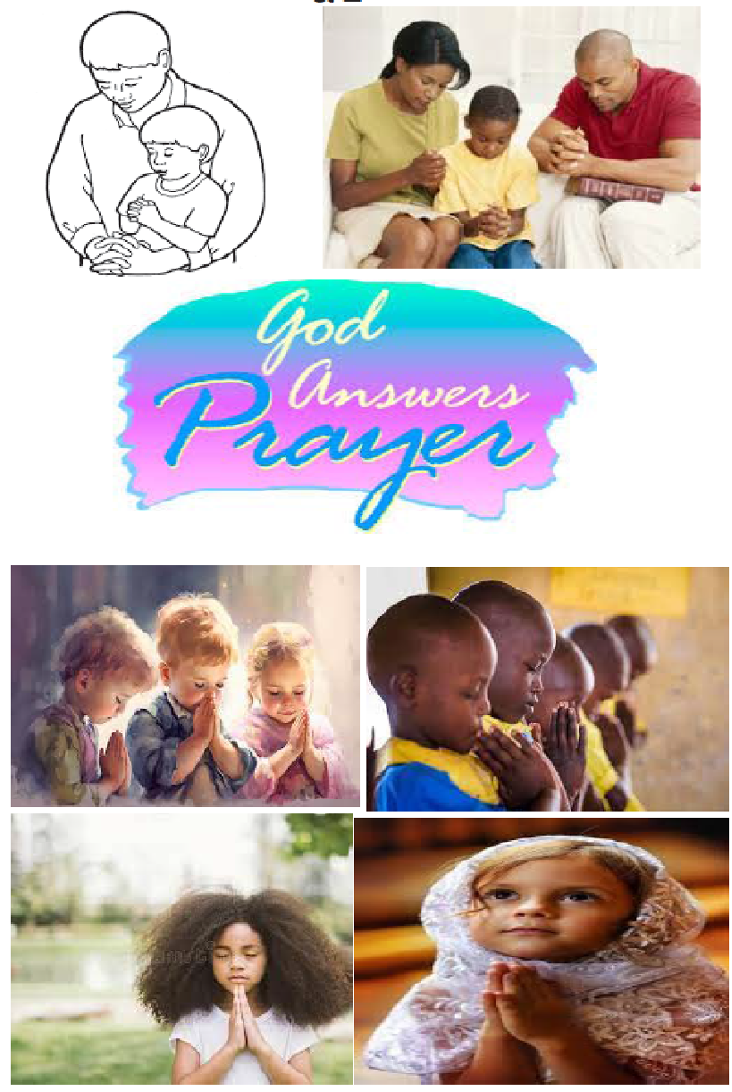
People from other religions are adopting our traditions and implementing them as their children’s education programs. Christians turned SUNDAY as their PRAYER DAY and go to church along with family. Not only do they set aside prayer times in their schools, but they also write keep hoardings to emphasize that God will surely listen to their prayers! Muslims perform vandanam (namāz prayer) without fail during samdhya periods. Please look at these images-